
Ledger®® Live: Desktop® — Getting Started | official Ledger™
Ledger Live Desktop brings crypto management to your computer with tools for viewing balances, managing accounts, tracking portfolios, and handling transfers.
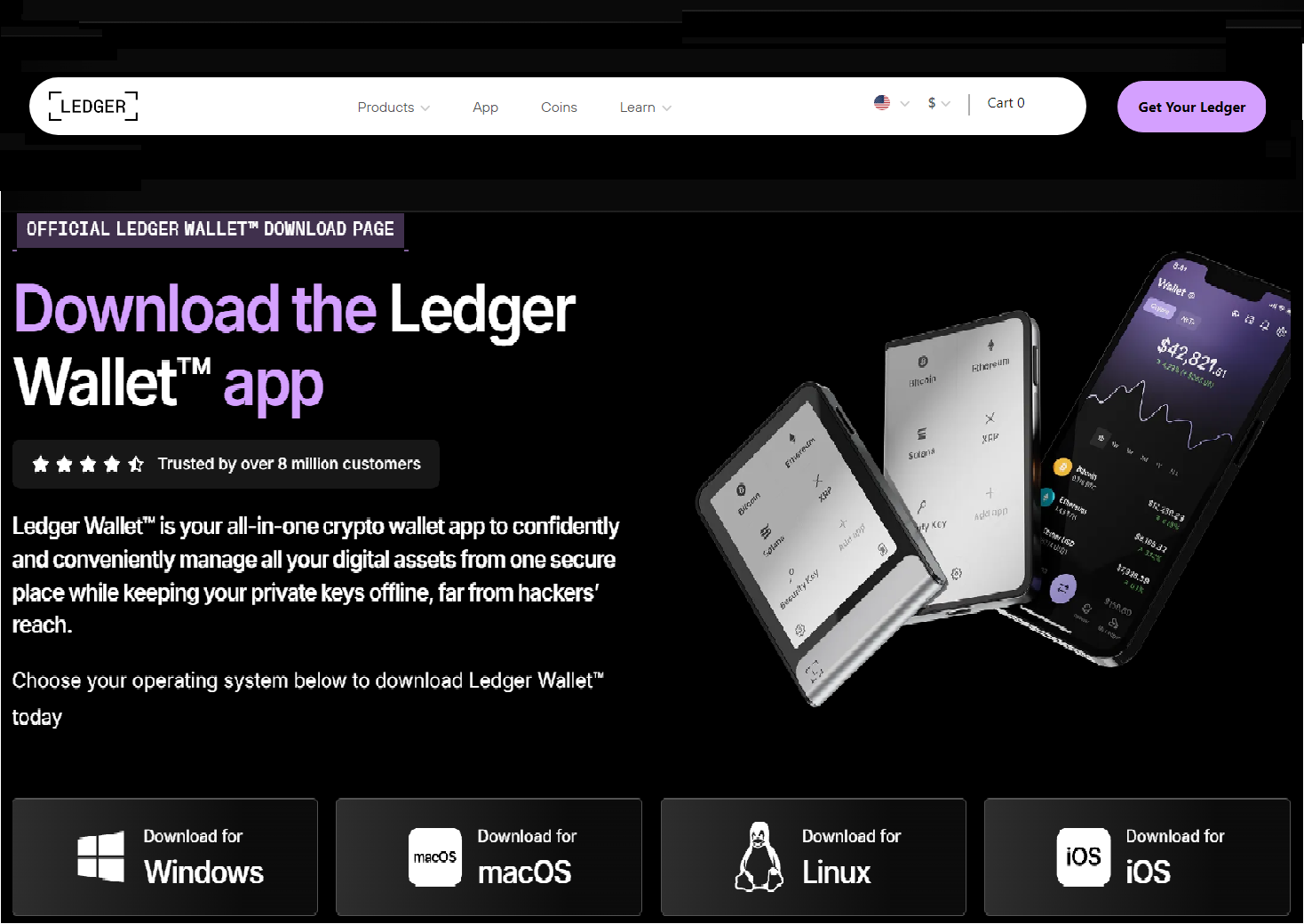
Ledger Live Desktop: Create a Reliable Home Crypto Setup
A dedicated and organized desktop setup can make cryptocurrency management easier to understand. Ledger Live Desktop can be used as part of a home workflow for reviewing compatible Ledger accounts, checking supported assets, and working with a connected hardware wallet.
The objective is not to make crypto management complicated. Instead, a few sensible practices can create a cleaner environment for regular wallet activity.
Choose a Dedicated Workspace
Start by choosing a computer environment that you can keep reasonably secure and maintained.
Avoid performing important wallet operations from computers that are shared with many people or contain unknown software. A personal computer with current security updates provides a more controlled environment.
Physical privacy also matters. Avoid displaying sensitive wallet information where other people can easily observe it.
Install From an Official Source
When installing Ledger Live Desktop, verify that the software comes directly from the official Ledger source.
Be cautious with search advertisements and third-party download pages. A website can look professional while still being unrelated to the legitimate wallet provider.
Check the web address carefully before downloading or installing anything.
Keep the Hardware Wallet Accessible
Store your compatible Ledger hardware wallet in a secure location when it is not being used.
When you need it, connect it directly to the computer and follow the instructions provided by the wallet software and physical device.
The hardware wallet should remain part of your verification process rather than being treated as a simple accessory.
Organize Your Digital Workspace
Your desktop setup can benefit from simple organization.
Keep wallet-related applications easy to identify and avoid installing unnecessary programs that you do not trust. If you maintain transaction records, store them separately from sensitive recovery information.
The fewer confusing elements surrounding an important transaction, the easier it is to focus on the information that matters.
Understand Your Accounts
Take time to learn how your accounts are arranged.
If you have several accounts, use meaningful names or categories that help distinguish them. Before performing an operation, check the account rather than selecting the first available option.
Good organization becomes especially valuable as the number of supported assets in your portfolio increases.
Establish a Receiving Routine
When receiving cryptocurrency, follow the same process each time.
First, select the appropriate account and asset. Then verify the receiving address and confirm the expected network.
For significant transfers, an additional address check can provide extra confidence before the sender submits the transaction.
Establish a Sending Routine
Outgoing transfers should follow a deliberate process.
Review the destination, asset, amount, network, and transaction fee information. Then compare the final information displayed by your hardware wallet before approving.
Do not allow familiarity to turn verification into an automatic action.
Protect the Most Sensitive Information
Your recovery information requires special protection.
Never share it with another person, even if they claim to be a wallet representative. Do not enter it into websites, forms, messaging apps, or software unless the official documentation specifically instructs you and you fully understand the security implications.
Unexpected requests should always be treated with suspicion.
Keep Your Setup Updated
Regular maintenance is part of responsible desktop wallet use.
Install legitimate software updates from trusted sources, maintain your operating system, and remove applications that you no longer need.
However, do not follow update links from suspicious messages. Navigate independently to the official source when an update is required.
Create an Emergency Pause Rule
It is useful to have one simple rule:
If something unexpected happens, stop.
This applies when:
- A website suddenly asks for secret information
- A transaction displays unfamiliar details
- A support account contacts you unexpectedly
- A download page looks different from what you expected
- Your hardware wallet shows an unfamiliar request
- Someone pressures you to act immediately
A pause gives you time to verify the situation without making an irreversible decision.
FAQs
Can Ledger Live Desktop be part of a home crypto setup?
Yes. It can serve as a desktop environment for compatible Ledger hardware-wallet workflows and supported account management.
Should I use a shared computer for wallet management?
A personal, well-maintained computer generally provides a more controlled environment than a public or heavily shared computer.
Why keep wallet software organized?
Clear organization makes it easier to identify the legitimate application and reduces confusion when managing important transactions.
What should I do if an update message seems suspicious?
Do not use the message's link automatically. Navigate independently to the official Ledger source and verify whether an update is actually available.
What is the simplest security habit to remember?
If something unexpected occurs, stop before providing information or approving a transaction. Verify the situation independently first.
Conclusion
A reliable crypto workspace combines technology with consistent habits. Ledger Live Desktop can fit into a structured home setup where users maintain their computer, organize accounts, verify transactions, protect recovery information, and use a compatible hardware wallet carefully. The result is a workflow built around deliberate checks rather than rushed decisions.
Updated about 7 hours ago