
Ledger®® Live: Desktop® — Getting Started | official Ledger™
Ledger Live Desktop brings account and portfolio management together, helping you review balances, track assets, and organize wallet activity.
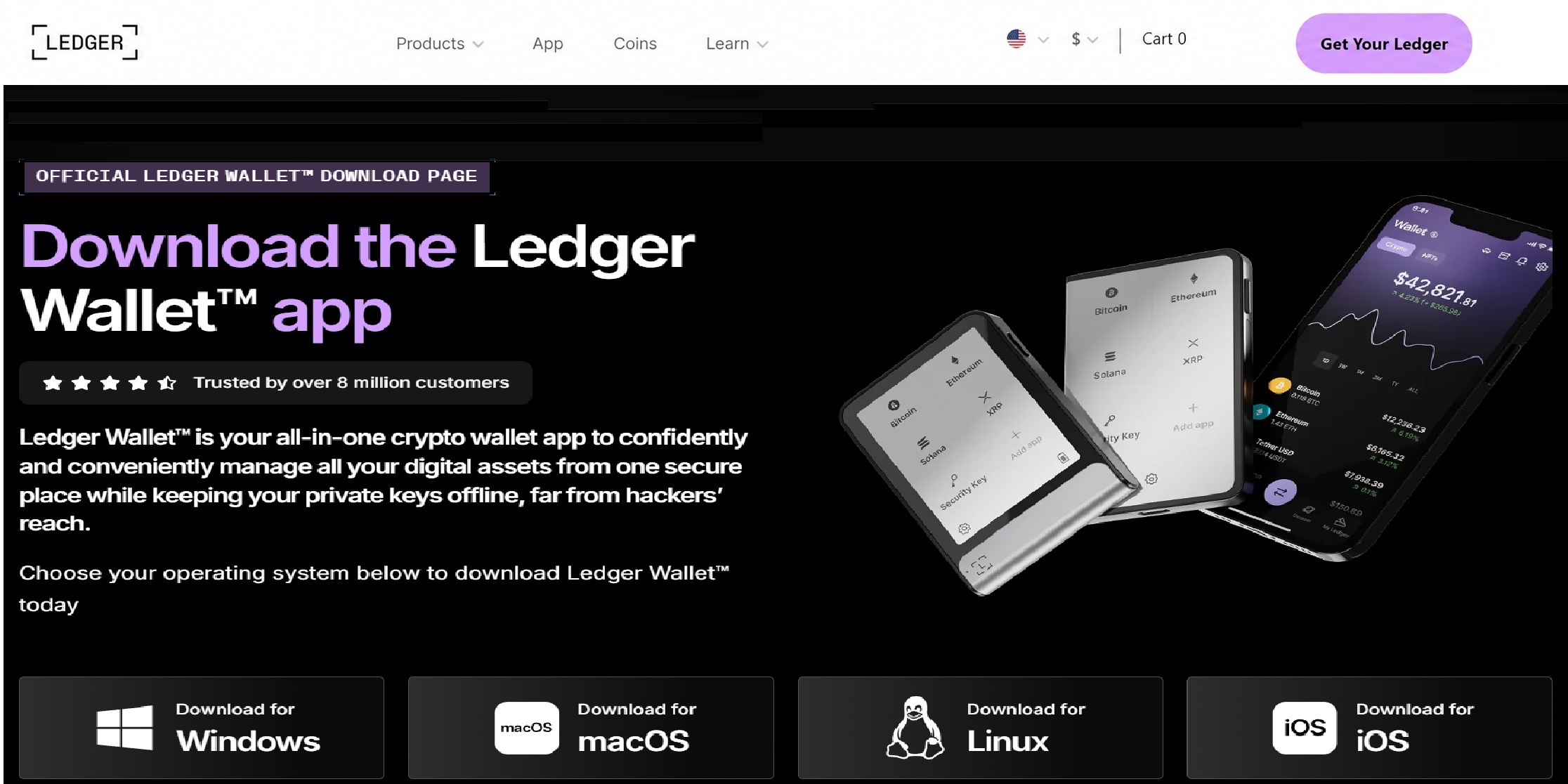
Ledger Live Desktop: Build Better Habits for Long-Term Wallet Management
Long-term cryptocurrency management requires more than occasional transactions. It involves organization, regular reviews, careful software maintenance, and protection of sensitive information. Ledger Live Desktop can form part of that process for users managing supported assets with compatible Ledger hardware wallets.
A strong routine does not have to be complicated. The key is making useful habits consistent.
Establish a Starting Point
Begin by obtaining Ledger Live Desktop from a legitimate Ledger source.
Check the website address before downloading and avoid unofficial applications that imitate wallet software. Be skeptical of links promoted through unsolicited emails, messages, or social-media accounts.
Once installed, become familiar with the application before attempting significant transactions.
Keep Your Accounts Understandable
As your portfolio changes, your account structure may become more complex.
Use clear labels where appropriate and periodically review whether your account organization still makes sense.
An account structure that is easy to understand today may become confusing after months of additional transactions, so occasional cleanup can be useful.
Review Instead of Constantly Interacting
A long-term wallet routine does not require constant activity.
Set aside appropriate times to review balances, account information, and recent transactions. If everything looks familiar, there may be no reason to perform additional actions.
This approach can reduce unnecessary wallet interaction.
Maintain a Transaction History Habit
Transaction records can become valuable over time.
Review previous activity and retain useful non-sensitive transaction information when needed. Transaction identifiers can help you locate blockchain activity later.
Keeping records organized can also make it easier to understand how assets moved between accounts or services.
Verify New Destinations Carefully
A destination that was correct previously is not automatically correct forever.
Whenever you send funds to a new address, verify it carefully. If the recipient provides network instructions, confirm that they match the asset and transaction you are preparing.
For significant transfers, consider an additional independent verification before approval.
Be Careful With Account Changes
Changes to your wallet setup deserve attention.
If you add an account, change your computer environment, install an update, or begin using a new supported asset, take time to understand what has changed.
Do not follow instructions from random online users simply because they appear knowledgeable.
Treat Updates Differently From Random Downloads
Software updates can be useful, but the source of an update matters.
When you believe Ledger Live Desktop needs an update, use an official Ledger source rather than clicking an unexpected update notification received through an email or message.
This helps reduce the risk of installing malicious imitation software.
Protect Your Recovery Information Over Time
Security mistakes do not become less important simply because you have used a wallet for a long time.
Keep recovery information private and protected. Do not share it with friends, strangers, online support accounts, or people who contact you unexpectedly.
Long-term users should be especially careful about becoming overconfident.
Watch for Changes in Your Environment
Your computer environment may change over time.
New applications, browser extensions, operating-system updates, and different users can affect the security of your desktop.
Periodically review what is installed and remove software you no longer need or trust.
Create a Long-Term Checklist
A simple recurring checklist might include:
Software: Is the wallet application from a trusted source?
Accounts: Are they organized and recognizable?
Activity: Do recent transactions make sense?
Security: Is recovery information still private?
Hardware: Is the device stored securely?
Transactions: Am I verifying destination and network details?
This gives you a practical framework without making wallet management unnecessarily complicated.
FAQs
Is Ledger Live Desktop suitable for long-term account management?
It can be part of a long-term workflow for compatible Ledger hardware wallets and supported digital assets, provided users maintain appropriate security practices.
Should experienced users still verify transactions?
Yes. Familiarity can sometimes lead to rushed decisions, so consistent verification remains useful.
How often should I reorganize accounts?
There is no universal schedule. Review your organization whenever your portfolio or usage pattern changes significantly.
Why avoid unexpected update links?
An unsolicited link can lead to an imitation or malicious website. Verify updates through a trusted official source instead.
What is one habit worth maintaining for years?
Keep your recovery information private and never provide it to someone simply because they claim to offer wallet support.
Conclusion
Long-term wallet management is largely about consistency. Ledger Live Desktop can be incorporated into a routine that includes account organization, periodic reviews, careful transaction verification, trusted software sources, and strong protection of recovery information. Building these habits early can make your desktop crypto workflow easier to maintain as your activity grows.
Updated about 7 hours ago