
Ledger®® Live: Desktop® — Getting Started | official Ledger™
Manage your crypto from a desktop interface with Ledger Live Desktop, including portfolio views, account management, balance tracking, and transaction tools.
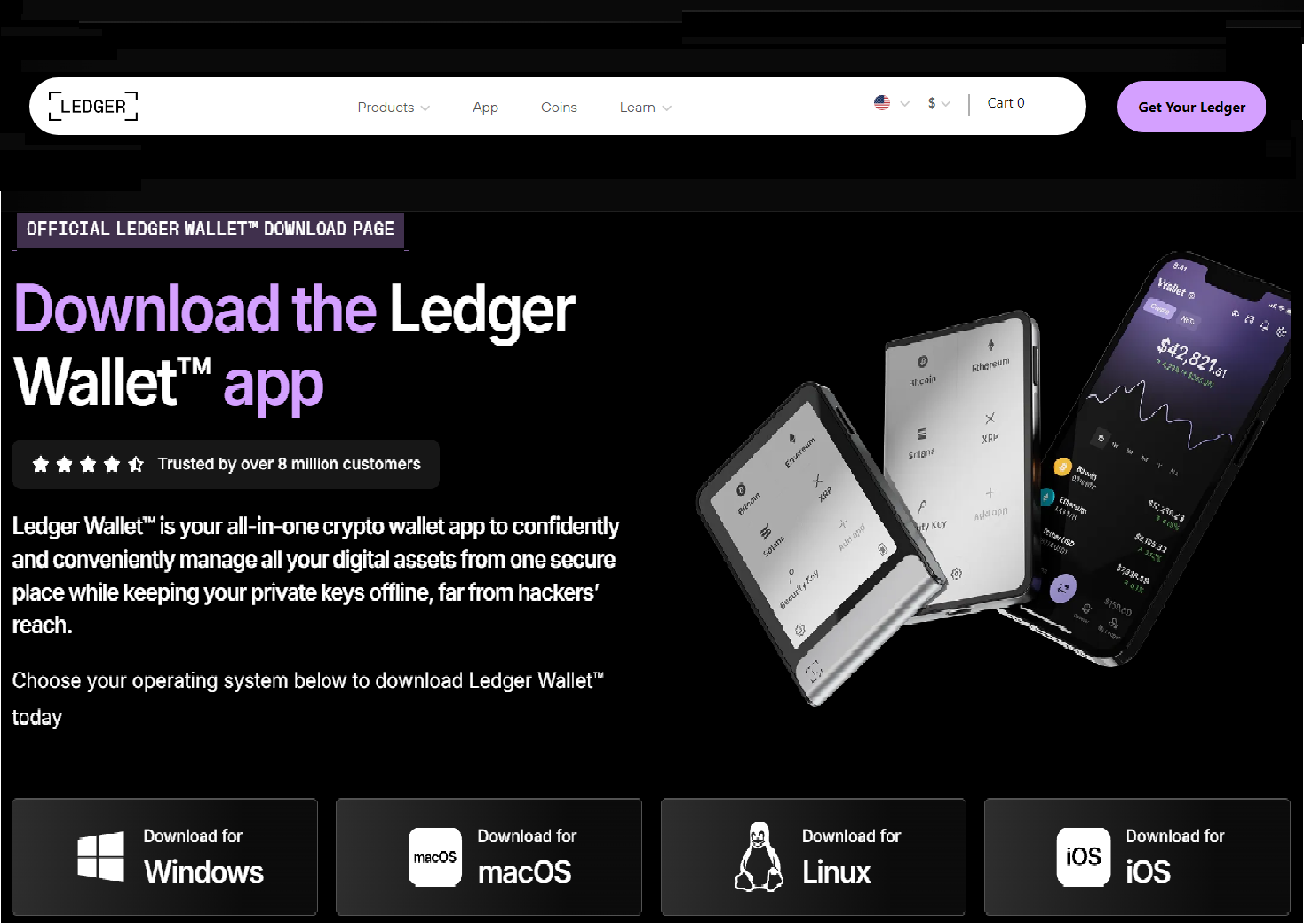
Ledger Live Desktop: Practical Habits for Everyday Wallet Use
A desktop crypto workflow should be convenient without sacrificing careful verification. Ledger Live Desktop can provide a central environment for users working with compatible Ledger hardware wallets, accounts, and supported crypto assets.
The most useful experience comes from developing practical habits rather than relying entirely on the software to prevent mistakes.
Make Security Part of Setup
Security should begin before your first transaction.
Use a trusted source when obtaining Ledger Live Desktop and check the authenticity of the website before downloading anything. Be careful with search results, advertisements, social-media messages, and emails that direct you toward wallet software.
After installation, make sure you understand which application you are opening before connecting your hardware wallet.
Keep Your Hardware Wallet in the Workflow
The hardware wallet is an important part of transaction approval. When you connect it to your computer, follow the instructions shown by both the desktop application and the device.
Do not approve prompts simply because they appear on screen. Review the information and make sure it matches the action you intended to perform.
This habit is especially important when handling unfamiliar addresses or larger transactions.
Build a Simple Morning or Weekly Check
You do not need to constantly monitor your portfolio.
Depending on your activity level, a periodic review may be enough. During a review, look at account balances and recent transactions and make sure everything appears familiar.
If you actively trade or move assets frequently, you may naturally need to review your accounts more often.
The goal is awareness without unnecessary activity.
Keep Accounts Easy to Identify
Clear organization becomes increasingly useful as your number of accounts grows.
Use account names that help you immediately recognize their purpose. If you maintain separate accounts for different assets or activities, avoid vague labels that could cause confusion.
Before initiating a transaction, pause and confirm that you are operating from the intended account.
Use a Two-Stage Transaction Habit
For important transfers, divide your process into two stages.
Stage One: Prepare
Enter the intended recipient, asset, amount, and network. Review the information carefully before moving forward.
Stage Two: Confirm
Review the final transaction information presented by the software and hardware wallet. Approve only when the details match your plan.
This simple separation makes it harder to rush through a transaction.
Be Especially Careful With Networks
Network selection deserves attention because similar assets can operate within different blockchain environments.
If someone provides a receiving address, confirm which network they expect before sending funds. Do not assume that a familiar token name means every network option is interchangeable.
When there is uncertainty, stop and consult the appropriate official documentation.
Protect Your Recovery Information
Your recovery information should be treated as confidential. Do not photograph it for convenience, upload it to cloud storage, enter it into websites, or send it through messages.
Someone who asks you to reveal secret recovery information should not be trusted simply because they claim to represent wallet support.
Keep this information protected according to the manufacturer's security guidance.
Be Skeptical of Urgent Messages
Scammers often try to create urgency.
A message might claim that:
- Your account is about to be suspended.
- Your wallet needs immediate verification.
- A transaction must be cancelled immediately.
- Your assets can be recovered if you provide certain information.
Instead of reacting immediately, close the message and independently navigate to the official source you trust.
Keep a Personal Transaction Record
For users who make regular transfers, maintaining an external record can help with organization.
You may record:
- Date of transaction
- Asset
- Amount
- Account used
- Destination
- Transaction identifier
- Purpose
Do not include secret recovery information in such records.
Review Before You Disconnect
After completing your wallet activity, confirm that the intended operation was submitted successfully and that your transaction information is recorded where appropriate.
Then disconnect your hardware wallet when you no longer need it and close unnecessary wallet-related applications or browser windows.
FAQs
How often should I review my crypto accounts?
There is no universal schedule. Review frequency should match how actively you use your accounts, while avoiding unnecessary interaction with your wallet.
Should I approve a transaction if the computer screen looks correct?
Review the transaction on your hardware wallet as well when prompted. Approve only when the information matches your intended action.
Can I keep my recovery information in a digital note?
It is generally safer to avoid storing sensitive recovery information digitally. Follow the hardware wallet manufacturer's official security guidance.
What should I do after receiving a suspicious wallet message?
Do not follow the message's links or provide sensitive information. Independently access the official source you trust and verify the situation.
Why keep transaction records?
Personal records can make it easier to understand your activity, organize finances, and locate transaction information later.
Conclusion
A dependable desktop wallet routine is built from small, repeatable decisions. Ledger Live Desktop can fit into that routine by bringing account information and compatible hardware-wallet operations into a desktop environment. Careful installation, account organization, network verification, device confirmation, and protection of recovery information can all contribute to a more disciplined approach to everyday crypto management.
Updated about 7 hours ago